Exploiting DRAM Bank Mapping and HugePages for Effective Denial-of-Service Attacks on Shared Cache in Multicore
 Michael Bechtel is a Computer Science Ph.D. student at the University of Kansas. His current research interests include embedded real-time systems, microarchitectural security and machine learning applications. |
 Hoang Hai Nguyen (Frank) is a Ph.D. candidate in the Department of Electrical and Computer Engineering at the University of Illinois at Urbana-Champaign (UIUC). He also holds a research assistantship at the Coordinated Science Laboratory, UIUC, under the direction of professor David M. Nicol.
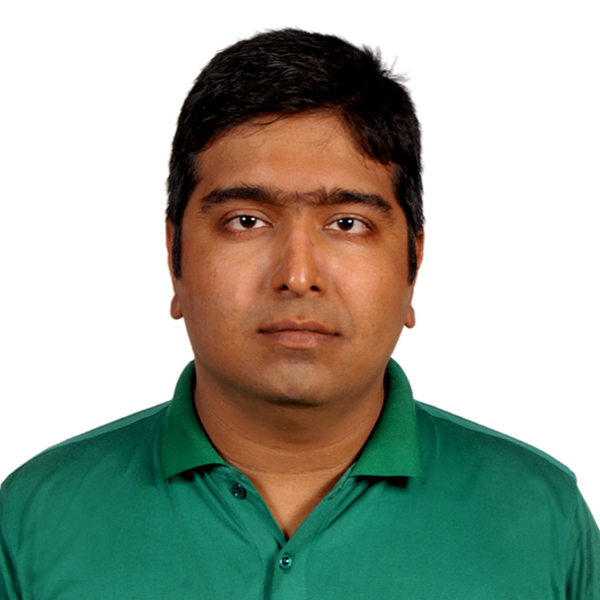 Md Rayhanur Rahman has started his Ph.D. program in the department of Computer Science at North Carolina State University. His research interest is in the area of Software Engineering and Software Security. He works under the supervision of Dr. Laurie Williams.

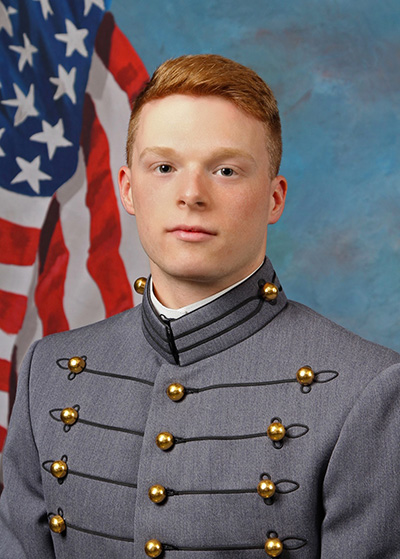 Aidan McCarthy is a senior at the United States Military Academy from Lexington, Massachusetts. He is majoring in Computer Science with a focus in cybersecurity. He is an OSCP and leads the Cadet Competitive Cyber Team. After graduation, Aidan will commission as an officer in the United States Army Cyber Corps.
 Justin Murphy is a senior fast-track student at Tennessee Tech University majoring in Computer Science concentrating in Cybersecurity. He is actively involved with CEROC at Tennessee Tech and serves as the lead for the Capture the Flag (CTF) Cyber Interest Group.
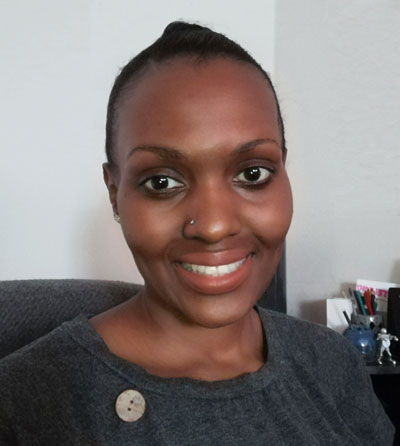
 Raunak Shakya is a graduate student at the Department of Computer Science at Tennessee Tech University. He graduated from Institute of Engineering at Tribhuvan University, Nepal with a bachelors degree in Engineering in 2013.